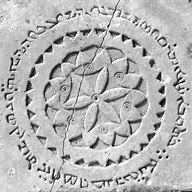
ܐܝܬܝܐthe existing Onenounroot ܐܝܬ ܚܝܐlifenounalso the livingroot ܚܝܐ ܘܒܪand son/equal ofnounroot ܒܪ ܚܝܐlifenounalso the livingroot ܚܝܐ
ܕܐܚܝwho gave lifeverbroot ܚܝܐ ܠܡܝܬܘܬܢto our mortal naturenounroot ܡܘܬ ܘܦܪܩܢand saved usverbroot ܦܪܩ
ܡܢfromprepositionalso ofroot ܡܢ ܒܝܫܐthe evil onenounroot ܒܐܫ ܘܡܘܬܐand deathnounroot ܡܘܬ ܘܐܥܕܝand rescuedverbroot ܥܕܐ
ܠܫܒܝܬܢour captivitynounroot ܫܒܐ ܀ ܘܥܢܕand he diedverbroot ܥܢܕ ܡܢfromprepositionalso ofroot ܡܢ ܚܝ̈ܐ
ܕܙܒܢܐtemporalnounroot ܙܒܢ ܠܐܬܪܐto the placenounroot ܐܬܪ ܕܓܐܘ̈ܬܐof blessingsnoun ܒܝܘܡon the dayphraseroot ܝܘܡ
ܬܪܝܢtwo (m.)adjectiveroot ܬܪܝܢ ܒܫܒܐin the weeknounroot ܫܒ ܒܬܫܪܝin Tešrīnnoun ܩܕܝܡFirstadjectiveroot ܩܕܡ
ܒܐܪܒܥܐon the fourthnumeralroot ܪܒܥ ܒܝܘ̈ܡܬܐ:of the daysnounroot ܝܘܡ ܩܫܝܫܐthe priestnounroot ܩܫ
ܗܘܪܡܙܕHurmizdproper-noun ܪܫܐhead/Superiornounroot ܪܫ ܕܣܝܥܝ̈ܬܐof the congregationsnounroot ܣܝܥ ܥܦܪܢܝܬ ܐ!!
ܕܡܠܐwho is full ofadjectiveroot ܡܠܐ ܢܝ̈ܚܐ ܠܒܘܣܡfor blessingsnounroot ܒܣܡ ܪ̈ܘܚܬܐsoulsnounroot ܪܘܚ
ܒܡܸܢܝܵܢ! ܝܵܘܢܝ̈ܐ! ܒܪ̈ܝܼܟܐ ܥܗܝ̈ܕܐ
ܒܡܠܟܘ̈ܬܐ ܒܲܫܢܬ ܀ ܐܨܟܗ1925numeral ܡܫܝ݂ܚܵܝܬ ܐ!!
ܡܪܐLordnounroot ܡܪܐ ܕܒܪ̈ܝܬ ܐ ܕܒܪܗcarried himverbroot ܕܒܪ ܡܘܬܐdeath (emphatic)nounroot ܡܬ
ܡܢfromprepositionalso ofroot ܡܢ ܒܝܬhousenounalso home, Beth-root ܒܝܬ ܐܚܘܬܐbrotherhoodnounroot ܐܚ ܕܩܪܝܬ ܐ ܕܒܢܝ̈of the citizens ofnounroot ܒܪ
ܥܝܢܟܘܐ‛Enkāwāproper-noun ܕܟܪܣܛܝܢܘܬܐof Christianitynoun
Hover a word for its meaning. Glosses draw on Amir Harrak’s translations and the SEDRA 3 Syriac lexicon (Beth Mardutho), used for academic purposes.