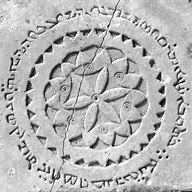
ܐܬܚܕܬwas renovatedverbroot ܚܕܬ ܗܢܐthis (m.)demonstrativeroot ܗܢܐ ܬܪܥܐthe gatenounalso the doorroot ܬܪܥ ܕܒܝܬof the house ofnounroot ܒܝܬ ܓܘܒܐthe Pitnounroot ܓܘܒ ܕܢܛܝܪܐwhich is keptverbroot ܢܛܪ ܒܓܘܗinside itprepositionroot ܓܘ
ܫܟܝܢܬܐreliquarynounroot ܫܟܢ ܕܡܪܝof Saintnounroot ܡܪܐ ܒܗܢܡBehnamproper-noun ܬܓܐcrownnounroot ܬܓ ܕܣܗܕ̈ܐ ܘܣܪܐand Sarahproper-noun ܚܬܗhis sisternounroot ܐܚ ܘܐܪ̈ܒܥܝܢand fortynumeralroot ܐܪܒܥ ܚܒܪܘ
ܒܐܚܪܝܬat the end ofnounroot ܐܚܪ ܬܫܪܝܢTishrin (October)noun ܐܚܪܝLatteradjectiveroot ܐܚܪ ܫܢܬyear (construct)nounroot ܫܢ ܐܨܟܘyear 1926numeral ܕܡܪܢof our Lordnounroot ܡܪ ܕܒܗܿin whichpreposition ܒܗܕܐin thispronoun ܕܘܟܬܐplacenounroot ܕܘܟ
ܐܣܬܗܕܘ.they were martyredverbroot ܣܗܕ
ܫܢܬyear (construct)nounroot ܫܢ ܫܢܒyear 352numeral ܡ
ܡܪܝmy Lordnounalso saint (title)root ܡܪ ܒܗܢܡBehnamproper-noun ܒܬܪafterprepositionalso behindroot ܒܬܪ ܬܪܘܚܐmountain goatnoun
ܡܪܝmy Lordnounalso saint (title)root ܡܪ ܡܬܝMattīproper-noun ܡܥܡܕBaptisernounroot ܥܡܕ ܣܪܐSārahproper-noun
Hover a word for its meaning. Glosses draw on Amir Harrak’s translations and the SEDRA 3 Syriac lexicon (Beth Mardutho), used for academic purposes.