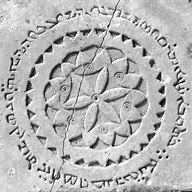
ܗܢܐthis (m.)demonstrativeroot ܗܢܐ ܬܪܥܐthe gatenounalso the doorroot ܬܪܥ ܬܪܥgatenounalso doorroot ܬܪܥ ܪ̈ܚܡܐ ܘܠܓܘand insideadverbroot ܓܘ ܡܢܗfrom itprepositionroot ܡܢ ܐܝܬthere isparticleroot ܐܝܬ ܪ̈ܚܡܐ ܥܘܠgo inverbroot ܥܠܠ ܚܛܝܐthe sinnernounroot ܚܛܐ ܒܥܝask forverbroot ܒܥܐ ܪ̈ܚܡܐ ܡ݂ܢ ܗܘ̇ ܡܪܐLordnounroot ܡܪܐ ܡܠܐfull ofadjectiveroot ܡܠܐ ܪ̈ܚܡـܐ :
ܦܠܚworked onverbroot ܦܠܚ ܠܬܪ̈ܥܐ ܗܠܝܢthesedemonstrativeroot ܗܢܐ ܕܒܝܬof the house ofnounroot ܒܝܬ ܨܠܘܬܐthe prayernounroot ܨܠܐ ܐܒܘfather ofnounroot ܐܒ ܣܠܡSālimproper-noun ܘܒܪܗܝܡand (I)brāhīmproper-noun ܐܚܐbrother (emphatic)nounroot ܐܚ ܕܝܠܗhispronoun ܒܝܨܝܦ̄
ܕܕܝܪ̈ܝܐof the monksnounroot ܕܝܪ ܥܝܣܐ‛Īsāproper-noun ܘܦܕܠܐܠܗand Fadl-Allāhproper-noun ܩ̈ܫܝ ܐܒܘܢܨܪAbū-Nasrproper-noun ܘܒܗܢܡand Bihnāmproper-noun ܡ̈ܫܡ: ܘܬܐܘܡܐand Tūmāproper-noun ܘܡܚܒܘܒ:and Mahbūbproper-noun ܐܠܗܐthe Godnounalso Godroot ܐܠܗ ܢܚܣܐmay pardonverbroot ܚܣܐ ܠܟܠto allnounroot ܟܠ
ܕܐܫܬ
Hover a word for its meaning. Glosses draw on Amir Harrak’s translations and the SEDRA 3 Syriac lexicon (Beth Mardutho), used for academic purposes.