Back to Collection
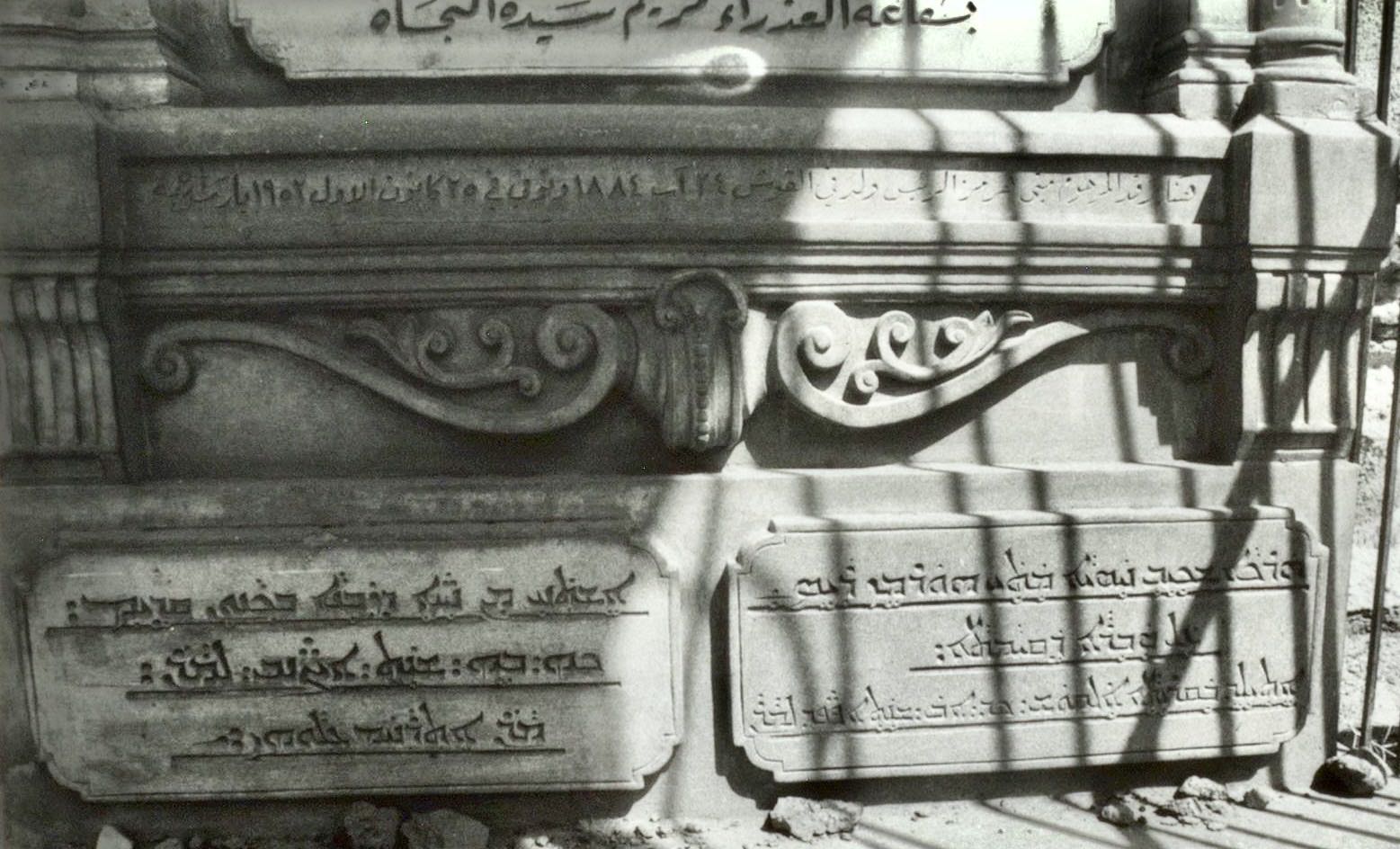
AA.11.12 HARRAK

The Chaldean Church of Mār Gīwargīs; Courtyard and cemetery , Old Mosul

Old Mosul Nineveh
AA.11.12 View full size
ܗܪܟܐhereadverb ܫܟܝܒis laidverbroot ܫܟܒ ܚܣܝܐvirtuousadjectiveroot ܚܣܐ ܡܬܝMattīproper-noun ܗܘܪܡܙHurmiz(d)proper-noun ܪܝܣheadnounroot ܪܐܣ
ܥܠuponprepositionalso over, aboutroot ܥܠ ܣܒܪܐhopenounroot ܣܒܪ ܕܩܝܡܬܐof the resurrectionnounroot ܩܘܡ
ܐܬܝܠܕwas bornverbroot ܝܠܕ ܒܩܪܝܬܐin the villagenounroot ܩܪܐ ܐܠܩܘܫ:Alqōšproper-noun ܟܕ:whenconjunctionalso while, asroot ܟܕ ܐܒ:fathernounroot ܐܒ ܫܢܬyear (construct)nounroot ܫܢ ܐܦ̈̇ܦܕ ܠܡܪܢof our Lordnounroot ܡܪ
ܐܫܬܢܝdepartedverbroot ܫܢܐ ܡܢfromprepositionalso ofroot ܡܢ ܚܝ̈ܐ ܕܙܒܢܐtemporalnounroot ܙܒܢ ܒܟܢܘܢin Kānōnproper-noun ܩܕܝܡ:Firstadjectiveroot ܩܕܡ
ܟܗ:25thnumeral ܒܗ:in itpreposition ܫܢܬ:year (construct)nounroot ܫܢ ܐܨ̈̇ܢܒ: ܠܡܪܢ:of our Lordnounroot ܡܪ
ܡܪܢour Lordnounroot ܡܪ ܐܬܪܚܡhave mercyverbroot ܪܚܡ ܥܠܘܗܝ:.for himprepositionroot ܥܠ

Hover a word for its meaning. Glosses draw on Amir Harrak’s translations and the SEDRA 3 Syriac lexicon (Beth Mardutho), used for academic purposes.

(1) Here is laid the virtuous Mattī Hurmiz Rayyis, (2) on the hope of the resurrection. (3) He was born in the village of Alqōš, 24 Āb (August) the year 1884 of our Lord. B (1) He departed from the temporal life on First Kānōn (December) (2) the 25th (day) the year 1952 of our Lord. (3) Our Lord: Have mercy on him. AA.12 The Syriac Orthodox Church of Mār Tūmā This church is located in old Mosul, in the quarter called Jūlāq, near the Chaldean church of Mār Gīwargīs (AA.11), and adjacent to the Syriac Catholic church of Mār Tūmā (AA.13). The actual church is built on an older church building destroyed around 779 when the Caliph al-Mahdī ordered an investigation into this destruction. The church is mentioned in manuscripts dated between the 12th and the 16th centuries, after which the inscriptions in the church trace its history to the present. The church was renovated in 1744 (AA.12.07), one year after the siege of Mosul by Nādir Shah, and the Syriac and Arabic inscriptions date the Royal Gate to 1848 (AA.12.01). In 1964, relics of 146 St. Thomas were found inside a box in the church, and a monument was built to contain the remains (AA.12.02). Syriac inscriptions abound in this church, inside and outside, and it is truly a small museum of inscriptions. We will devote a special section to the inscriptions of the south wall for easier reference (AA.12.08 to AA.12.13). There are funerary inscriptions in the cemetery too (AA.12.15 to AA.12.19), but ground water has damaged them and some graves, along with their inscriptions, have caved in. A silver cover of the Gospels also bears an inscription but it is recent (AA.12.20).

Date 1952 AD
Language Syriac
Script Estrangela, vocalized
Location Detail Courtyard and cemetery.
Dimensions 0.30m × 0.75m
Peoples Chaldean, Syriac Orthodox, Syriac Catholic
Relics Relics mentioned
Churches & Shrines Named After Mār Gīwargīs, Mār Tūmā, Mār Tūmā This
War / Invasion Nadir Shah invasion
Mattī Hurmiz Rayyis
Harrak 2010, p.148
Support the Archive

Help Preserve
Endangered Inscriptions

Many of the sites documented in this archive have since been damaged or destroyed. Your support enables ongoing fieldwork, digitization, and scholarly publication.

Full image